Our SIP Certified® Story
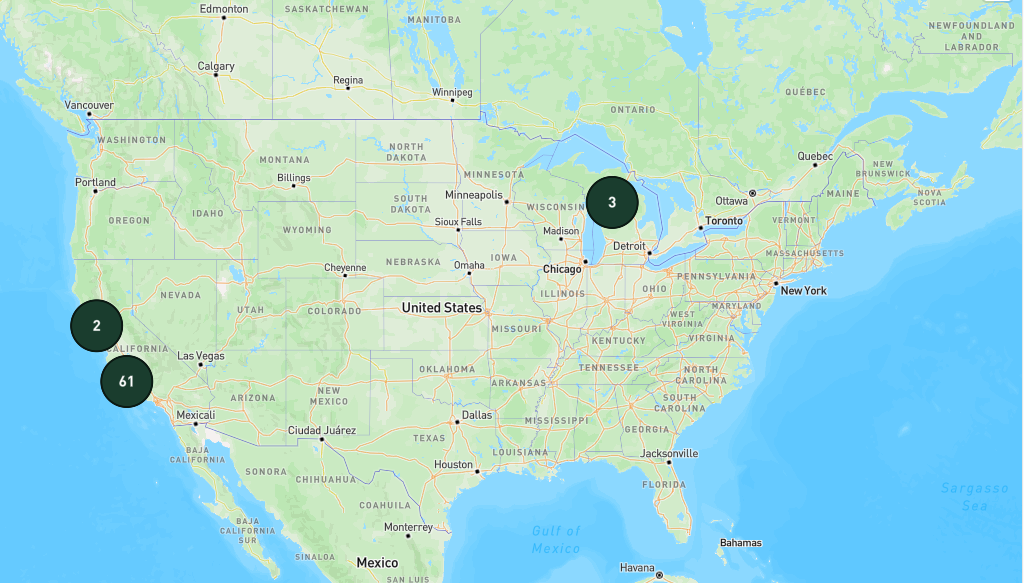
Bel Lago Winery, French Valley Vineyard, and Dune Bird Winery are three of only four SIP Certified wineries in Michigan, all proudly part of Harmony Estate Wineries of Leelanau.
Your wine should taste good AND do good.
That’s why all three of our wineries are SIP Certified — a rigorous sustainability certification that ensures our wine is crafted with care for people, the environment, and consumers’ peace of mind. Being SIP Certified means we’ve gone beyond what’s in the bottle to meet strict, independent standards that protect the planet at every step; from the safety of our staff, to how we conserve water and energy, to how we protect and rebuild wildlife habitats.
Our Sustainable Story
At Harmony Estate Wineries of Leelanau (HEWL), sustainability isn't a buzzword; it’s a core value. We proudly meet or exceed SIP’s rigorous requirements. Everyone at our company has a role to play in this, from the vineyard management teams, to the winemakers, to the tasting room staff. We’re proud to be part of a community that believes doing good is simply part of doing business.
SIP Certified helps us stay current with evolving best practices and commit to long-term impact in key areas, examples listed below.
Water conservation and quality
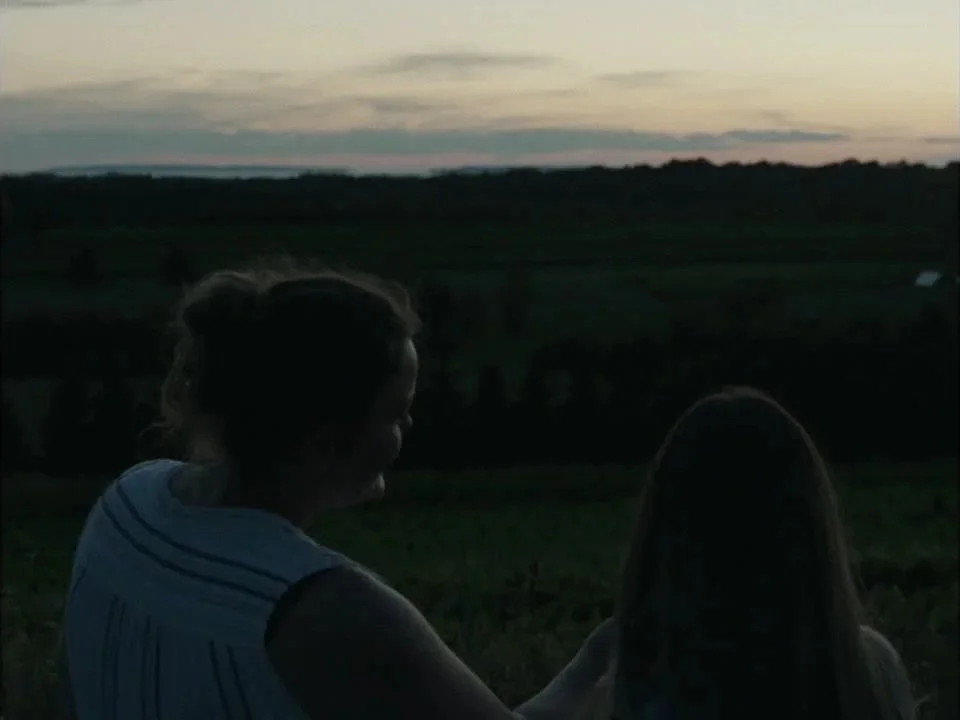
Growing grapes requires water, and being so close to Lake Michigan and Lake Leelanau gives us a unique appreciation and respect for our fresh water resources. We follow strict irrigation well and winery pump monitoring protocols. We monitor well flow rates every time we turn on the irrigation system. We regularly test all our wells and irrigation systems as a part of our compliance with the Michigan Department of Agriculture and the Michigan Department of Environment, Great Lakes and Energy (EGLE).
Soil health
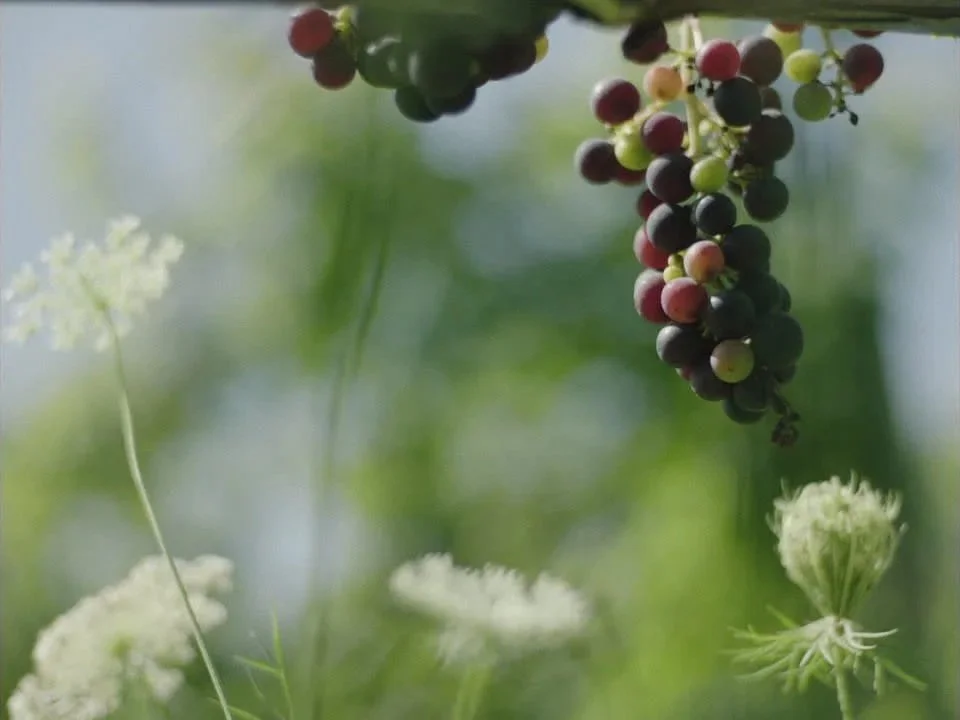
We use cover crops to help us create a balanced vineyard with habitat for beneficial insects and active root systems to help broaden the community of soil organisms. We use fertilizer during years where we are trying to build vine vigor, and add compost where we are trying to enhance biological activity. We also used compost tea and seaweed extracts in some vineyard blocks. Amounts are generally low for any soil additions. The presence of permanent cover crops also helps minimize nutrient leaching.
Energy efficiency
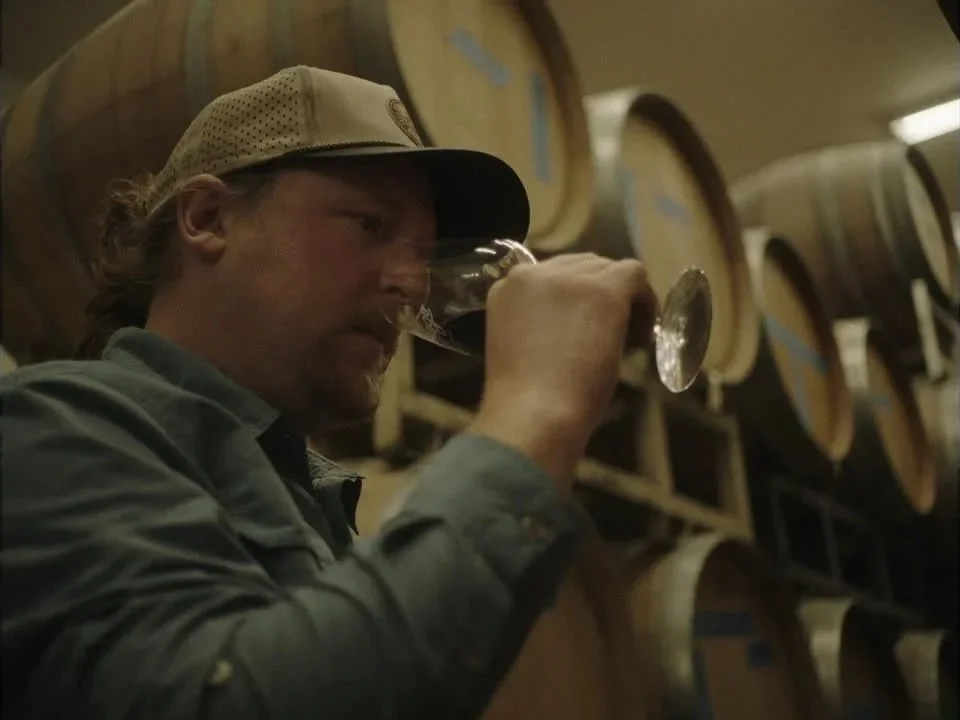
Conserving energy is an important way to reduce our dependence on fossil fuels. Our tasting rooms, wine production areas, and wine storage cellars all have their own protocols and programmable thermostats designed for maximum energy efficiency. For example, in our tasting rooms and main cellars, we draw in outside air when possible to reduce reliance on heat or AC. Temperatures in the tasting rooms are programmed to moderate overnight or during closed hours. Winemakers are vigilant about monitoring tanks that are cooling as part of our emphasis on quality control, and we do not have a heating system for tanks.
Waste and pollution reduction
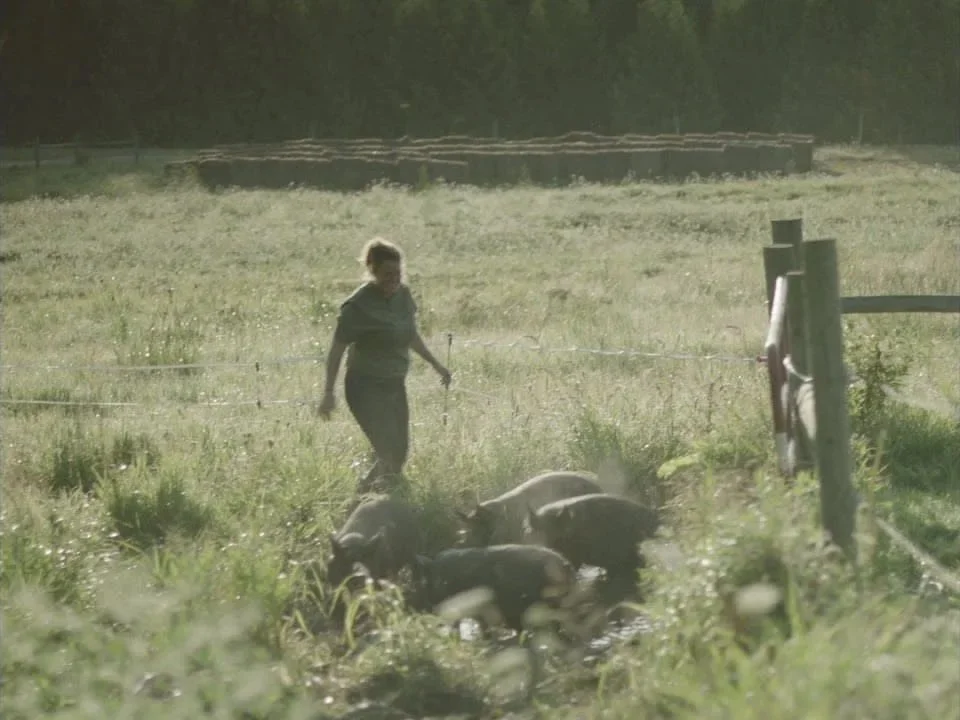
Minimizing landfill destined waste and recycling whenever possible is a priority at all of our wineries, and when we renovate or construct a new building, we recycle those materials whenever possible. We use verbal and/or electronic communication as our primary communication policy in an effort to “go paperless.” We also collect and recycle the water used in winemaking, and compost grape skins, stems and seeds, and tank lees (yeast) to be spread in the vineyards. Finally, all hazardous waste (paint, old fuel, tires, batteries, etc) that must be disposed of is eventually recycled as a part of a Leelanau County Hazardous Waste Recycling Program.
Pest and disease management
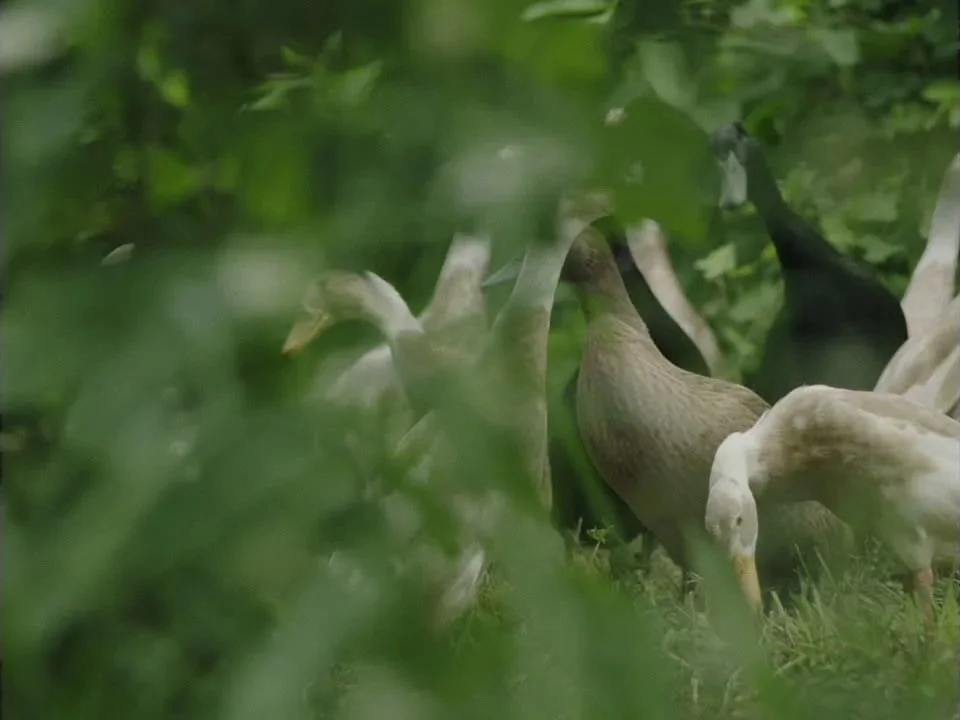
We avoid the overuse of chemical sprays through diligent canopy and floor management, and well as careful vineyard sanitation. In 2023 we eliminated the use of pre-emergent herbicides, and in 2024 we eliminated herbicides altogether. Reducing the use of pesticides also helps plant and animal life flourish in the vineyards. We use chemical sprays only when necessary, less than many other vineyards in our area. When it is necessary to spray, we follow strict protocols for each vineyard site to prevent drift (chemicals spreading beyond the targeted area). These protocols consider factors like wind speed and direction, humidity, and temperature, and we never spray when there are any people in or near the area. Our large flock of ducks at that graze in the Dune Bird Vineyard are also a helpful alternative to a reliance on herbicides and pesticides.
Habitat and biodiversity
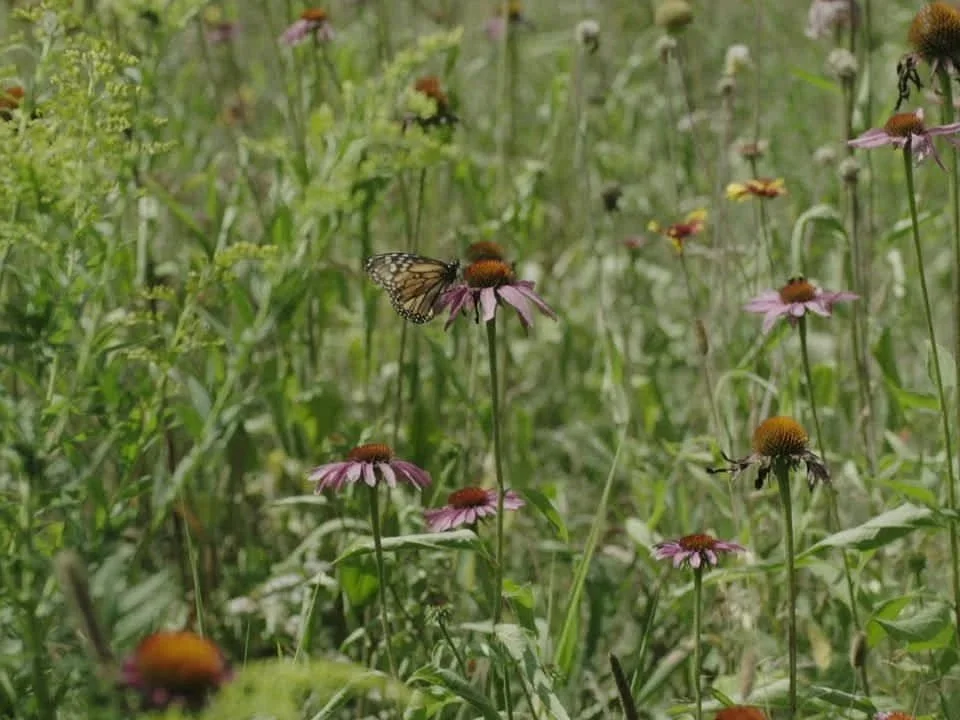
One of our goals has been to increase the amount of native plants in the vineyard (such as clover). These plants provide habitat for beneficial insects, such as bees and other pollinators. We mow infrequently, which contributes to this effort. In 2025, observed and recorded nearly 30 species of wildflowers and other plants in our vineyards. We also have nesting sites for birds of prey, which deter the species of birds that like to feast on our grapes. We string panels of bird netting around the vines to protect the harvest from wild animals like birds and deer. We also use sound devices (such as a recording of a barking dog) to discourage animals from venturing into the vineyard.
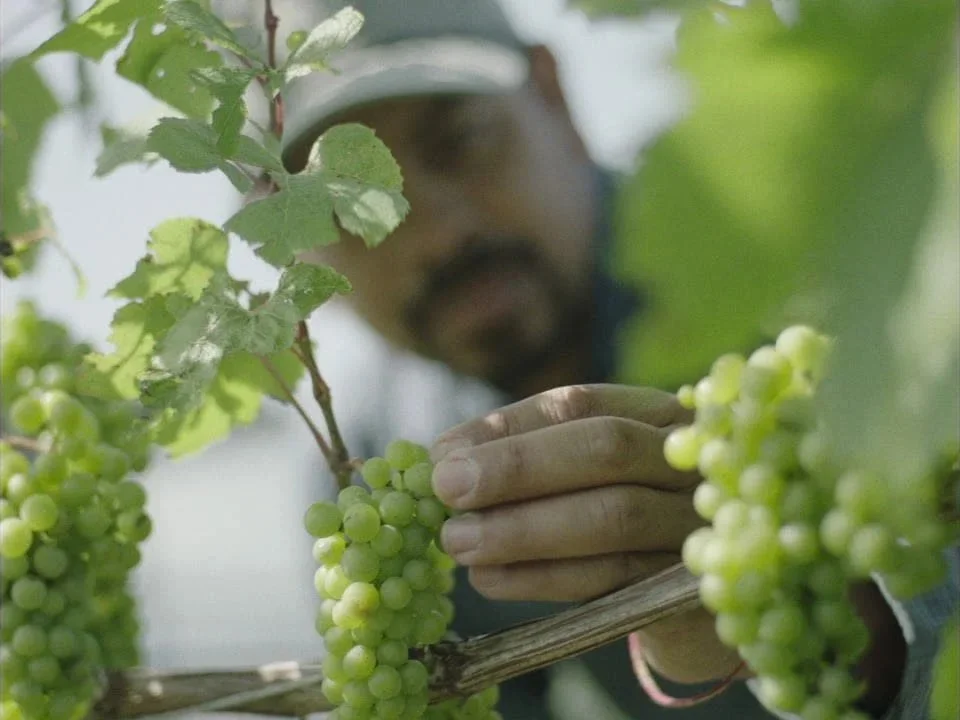
Social equity and safe working conditions
Safety training and protocols are especially stressed in the vineyard and in the cellar, but it is also discussed with tasting room employees, with emphasis on customer safety. Supervisors provide reminders, updates and training about safety issues such as confined space, fall protection, heat stress prevention, respiratory/pesticide awareness, and safe equipment operation. Staff are provided with specialized safety equipment required for whichever job they are performing. We have speed limit signs on our properties for staff and guests, and enforce a policy of "safety over speed” whether you’re driving a car, an atv, or a tractor. We also endeavor to be good neighbors; our vineyard management policies are designed with consideration for the people who live near our properties.